

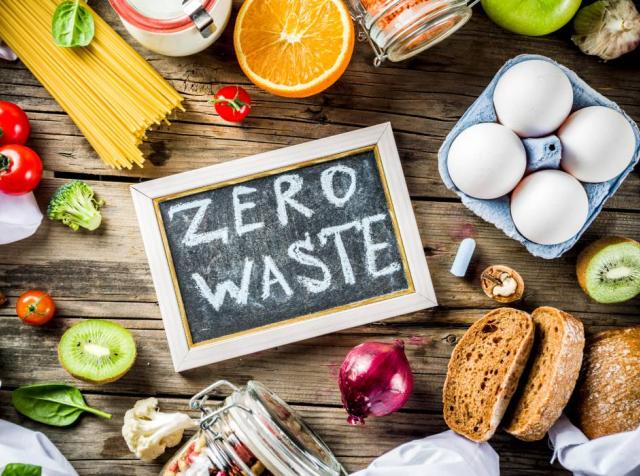
 In our quest to savor delectable dishes and explore culinary wonders, it is crucial to remember our responsibility towards the planet. Sustainable cooking goes beyond creating mouthwatering meals; it encompasses mindful practices that reduce food waste and embrace eco-friendly techniques. Join us on this journey as we delve into the world of sustainable cooking, where every culinary adventure becomes a celebration of flavors and a commitment to preserving our precious environment.
 1. Understanding the Impact of Food Waste
Food waste is a global challenge that affects both our environment and society. According to the Food and Agriculture Organization (FAO), about one-third of all food produced for human consumption is wasted each year. The environmental consequences of food waste are substantial, contributing to greenhouse gas emissions, deforestation, and wasted resources.
2. Mindful Meal Planning
The first step towards sustainable cooking is thoughtful meal planning. Before heading to the grocery store, take a moment to create a weekly meal plan. Check your pantry and fridge to see what ingredients you already have and make a shopping list to avoid unnecessary purchases.
3. Embracing Nose-to-Tail and Root-to-Stem Cooking
Reduce food waste by embracing nose-to-tail and root-to-stem cooking. These practices involve using the entire animal or vegetable, leaving little to waste. Get creative with recipes that utilize all parts of the ingredient, such as making broth from vegetable scraps or preparing dishes that include less commonly used cuts of meat.
 4. Proper Storage and Preservation
Correct storage and preservation methods are essential for prolonging the shelf life of perishable items. Use airtight containers to store leftovers, and consider investing in a vacuum sealer to preserve food longer. Utilize your freezer to save surplus produce or prepared meals for future use.
5. Composting Organic Waste
Composting is an eco-friendly way to handle organic waste. Instead of sending food scraps to landfills where they contribute to methane emissions, turn them into nutrient-rich compost for your garden. Composting not only reduces waste but also enhances soil health.
6. Support Local and Sustainable Food Sources
When shopping for ingredients, support local farmers and businesses that promote sustainable and ethical practices. Choose seasonal produce and opt for products with minimal packaging to reduce waste.
7. Reduce Single-Use Plastics
Incorporate eco-friendly habits into your cooking routine by reducing single-use plastics. Swap disposable plastic containers and bags for reusable alternatives, such as glass jars and beeswax wraps.
8. Cook with a Mindful Approach
Cooking with sustainability in mind goes beyond ingredients and extends to cooking methods. Opt for energy-efficient appliances and practices like using a lid on pots to retain heat and save energy.
9. Educate and Share
Spread the message of sustainable cooking to friends, family, and your community. Share tips, recipes, and success stories to inspire others to join the movement toward a greener kitchen.
Conclusion
Sustainable cooking is a powerful way to contribute to a healthier planet while indulging in culinary delights. By reducing food waste, supporting local producers, and adopting eco-friendly practices, we can make a meaningful impact on the environment. Embrace sustainable cooking as a lifestyle choice, and let your passion for food go hand in hand with your commitment to preserving our beautiful planet for generations to come.